Dead Tree Removal in Doylestown, PA
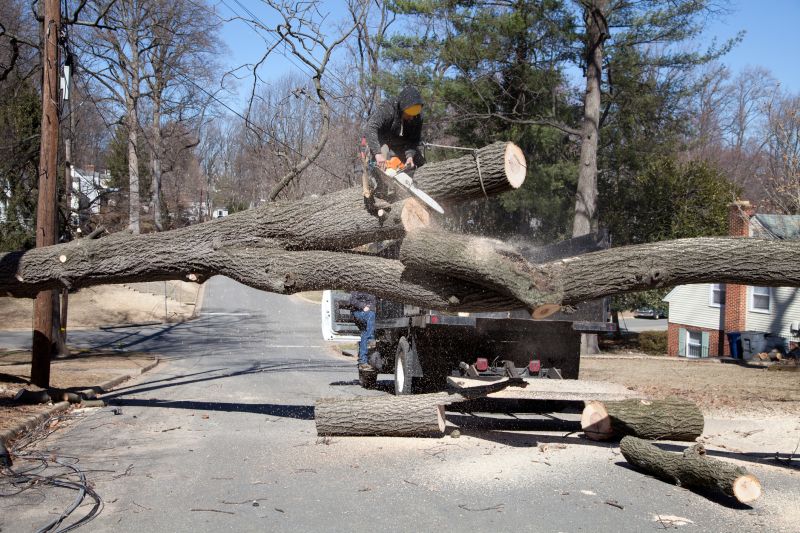
Dead tree removal services involve safely and efficiently removing trees that have died, become hazardous, or pose a risk to property and safety. This service typically covers a range of projects, including the removal of standing dead or decaying trees, clearing fallen or uprooted trees after storms, and addressing trees that are structurally compromised. Homeowners often seek this service to prevent potential damage to structures, reduce the risk of falling limbs, or improve the overall appearance and health of their landscape.
Before requesting dead tree removal, property owners should consider the size and location of the tree, as well as any potential obstacles such as power lines, buildings, or other landscape features. It’s also helpful to understand the condition of the tree and whether there are any signs of disease or decay. Proper planning ensures the safe removal process and minimizes impact on surrounding plants or property. Contacting a professional can provide guidance on the best approach for each specific situation.
Many property owners in Doylestown, PA look into Dead Tree Removal for repairs, replacements, upgrades, and appearance-related improvements.
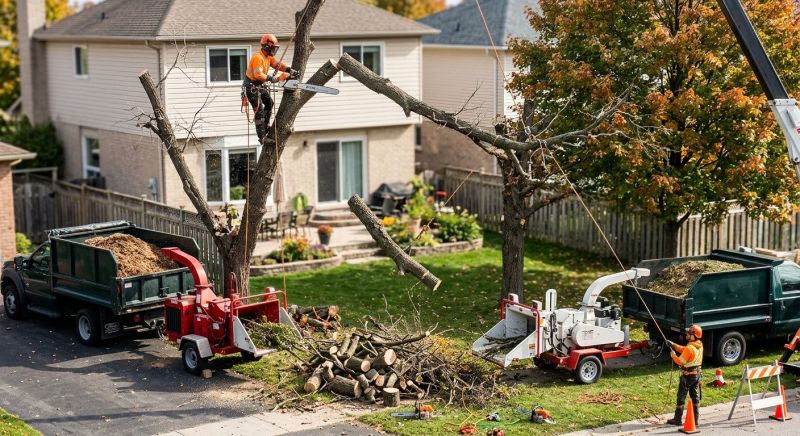
Safety And Property Protection
Removing dead trees reduces the risk of falling branches damaging property or causing injury.
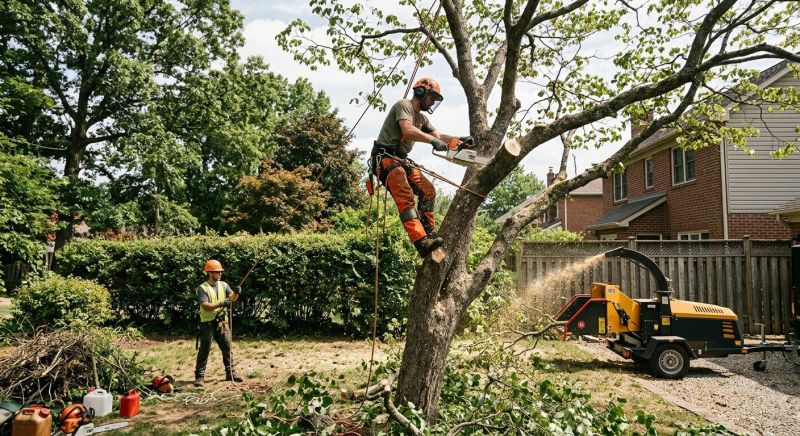
Aesthetic Enhancement
Eliminating unsightly dead trees can improve the overall appearance of your yard.
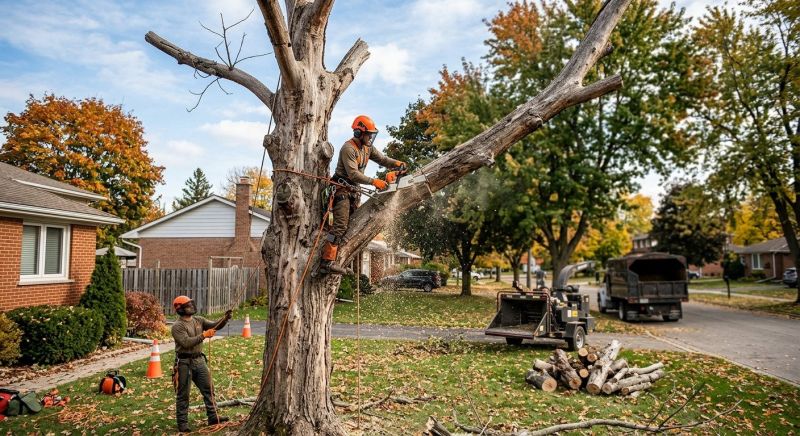
Preventing Pest Infestations
Removing decaying trees helps prevent pests from nesting and spreading to healthy plants and structures.
Dead Tree Removal in Doylestown, PA
Dead tree removal services involve safely and efficiently removing trees that have died, become hazardous, or pose a risk to property and safety. This service typically covers a range of projects, including the removal of standing dead or decaying trees, clearing fallen or uprooted trees after storms, and addressing trees that are structurally compromised. Homeowners often seek this service to prevent potential damage to structures, reduce the risk of falling limbs, or improve the overall appearance and health of their landscape.
Before requesting dead tree removal, property owners should consider the size and location of the tree, as well as any potential obstacles such as power lines, buildings, or other landscape features. It’s also helpful to understand the condition of the tree and whether there are any signs of disease or decay. Proper planning ensures the safe removal process and minimizes impact on surrounding plants or property. Contacting a professional can provide guidance on the best approach for each specific situation.
Many property owners in Doylestown, PA look into Dead Tree Removal for repairs, replacements, upgrades, and appearance-related improvements.
Common Dead Tree Removal Jobs
Dead Tree Removal - safely removes hazardous or decayed trees to protect property and safety.
Stump Grinding - eliminates tree stumps to improve yard appearance and prevent pest infestations.
Emergency Tree Removal - addresses urgent tree hazards caused by storms or damage.
Selective Tree Removal - removes specific trees to enhance landscape health and aesthetics.
Dead Branch Removal - clears dead or broken branches to prevent potential damage or injury.
Hazard Tree Assessment - evaluates trees for signs of decay or instability to determine removal needs.
Dead Tree Removal Questions
Why should dead trees be removed? Dead trees can pose safety hazards and may attract pests that threaten nearby healthy trees and structures.
What signs indicate a tree is dead? Lack of leaves, brittle branches, and visible decay are common indicators of a dead or dying tree.
Is dead tree removal necessary near structures? Yes, removing dead trees close to buildings or power lines reduces the risk of damage or injury.
What equipment is used for dead tree removal? Heavy-duty tools like chainsaws, cranes, and rigging gear are typically employed to safely remove dead trees.
Request Dead Tree Removal in Doylestown, PA
Use the quote form on this page to share the basics of your project and request more information for the type of work you need.